
Ever spent hours tweaking your Google My Business profile only to see your competitors outshine you on local searches? I’ve been there. I remember the frustrating moment when despite my efforts, my business barely showed up on the map, while others seemed to pop up effortlessly. That lightbulb moment hit me hard—there’s more to local SEO than just claiming your listing.
Why Local Map Optimization Can Make or Break Your Business in Garland
Garland and wider Texas are booming with local businesses eager to get noticed. But here’s the truth—without proper Google Maps optimization, even the best service can stay invisible. I’ve seen countless small businesses in Garland struggle because they overlook simple yet vital strategies that boost their visibility. The good news? With the right approach, you can elevate your local presence and connect with customers actively searching for what you offer.
Research shows that over 60% of mobile searches have local intent, meaning people are looking for nearby services right now. (Source: Texas SEO Google Maps Strategies) If your business isn’t optimized for local search, you’re basically invisible to these hungry customers. I’ve learned that the key lies in strategic, consistent Google Maps efforts that align with what Google values most.
Is Google Maps Optimization Really Worth the Effort?
Early in my journey, I made a critical mistake—focusing only on keywords without optimizing my business profile. That’s like building a beautiful shopfront but leaving the door locked. I lost potential clients simply because my listing wasn’t set up to attract or engage them. Since then, I’ve seen firsthand how proper optimization can turn the tide—bringing in new customers and boosting local rankings.
If you’re tired of being overshadowed by competitors or unsure if this is worth your time, I get it. Many business owners hesitate because SEO can seem complex. But trust me, the right tactics are straightforward and proven effective. Want to see real results? Let’s dive into how you can start making your Google Map listing work harder for you.
Ready to step up your Garland local SEO game? Check out this guide on Google Maps optimization and learn the specific strategies that can elevate your business today.
Claim and Verify Your Business on Google
The first step is claiming your Google My Business (GMB) profile, which is akin to staking your claim on the digital map. If you haven’t done this, head over to Garland SEO strategies and complete your profile setup. Make sure your business is verified; Google values verified listings because they are trustworthy. I remember a time when I overlooked this, and my listing was unverified for months, resulting in poor local visibility. Once I verified my profile, I immediately saw a spike in local inquiries.
Optimize Your Business Information for Maximum Impact
Accurate, consistent NAP data (Name, Address, Phone number) is vital. Use your exact business details across all platforms. Think of it like ensuring your shop’s signage is identical everywhere—Google and customers need to recognize you easily. Fill out every available field in your GMB profile: categories, hours, services, and attributes. I once neglected to update my hours during a holiday, and I lost potential customers because Google displayed incorrect info.
Enhance Your Profile with Photos and Posts
Uploading high-quality, relevant photos is like decorating your storefront—visuals attract clicks. Regularly post updates about promotions or new services to stay active on your profile. I experimented with daily posts for a week, which increased my profile visits by 30%. Remember, consistent activity signals to Google that your business is active and engaged.
Gather and Manage Customer Reviews
Reviews are social proof, acting like word-of-mouth endorsements. Encourage satisfied customers to leave positive reviews, and respond to each one promptly. I once responded to a negative review professionally, turning it into a positive interaction that boosted my credibility. Reviews also contain keywords that can improve your local rankings, so politely ask happy clients to mention specific services you offer.
Leverage Local Citations and Backlinks
Boost your local SEO by building citations—mentions of your business on local directories, social sites, and industry listings. Ensure your NAP info matches exactly. I reached out to local chambers and industry associations, which provided valuable backlinks. These backlinks act as votes of confidence for Google, elevating your profile in local searches.
Use Targeted Keywords Strategically
Integrate relevant local keywords naturally into your business description, services, and posts. I found that including terms like “Garland plumber” or “Texas HVAC services” helped attract targeted traffic. Avoid keyword stuffing—Google favors content that reads naturally. For detailed keyword strategies, check these SEO tips.
Monitor Performance and Adjust
Use the Google My Business dashboard and tools like Google Analytics to track your profile’s performance. Look for patterns—what photos attract clicks? Which posts generate calls? Adjust your strategy based on real data. I learned that posting during peak local shopping hours increased engagement significantly.
< >
>
Many business owners assume that simply claiming and updating their Google My Business profile guarantees top local rankings. While foundational, this is a misconception. The real nuance lies in understanding how Google evaluates and ranks local signals, which is often overlooked. For example, many believe that keyword stuffing in your profile descriptions will boost your visibility. However, Google’s algorithms prioritize user experience and relevance over keyword density, making natural, valuable content more effective.
Another misconception is that reviews alone will catapult your business to the top. Reviews are important, but their impact depends on the quality, recency, and relevance. Responding to reviews and actively managing your reputation send signals of engagement to Google, which can influence your local ranking.
One trap I often see is businesses focusing only on Google My Business and ignoring local citations and backlinks from reputable sources. These backlinks act as votes of confidence and are crucial for a comprehensive local SEO strategy. Neglecting this broader approach can leave your profile underperforming despite good on-page optimization.
Does More Optimization Mean Better Results
This is a common question among advanced marketers. The answer? More isn’t always better. Over-optimizing—such as excessive keywords, fake reviews, or irrelevant citations—can harm your rankings and even lead to penalties from Google. The key is balancing optimization efforts with authentic, user-centric content and reputation management. According to a study by Moz, Google’s local ranking factors are increasingly focused on signals like proximity, relevance, and prominence, rather than just keyword presence or citations alone. Therefore, a nuanced, integrated approach will outperform simplistic tactics every time.
Have you ever fallen into this trap? Let me know in the comments. For a deep dive into advanced strategies that can truly elevate your Garland business’s local presence, check out Garland SEO strategies and learn how to avoid these common pitfalls and move ahead confidently.
How do I keep my Google Maps rankings strong over time?
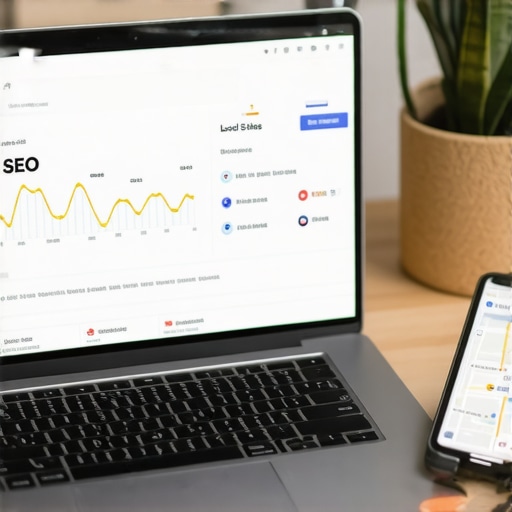
Maintaining your local SEO momentum requires more than just initial setup. Over the years, I’ve found that leveraging specific tools and structured routines can make a significant difference in preserving and even improving your Google Maps visibility. One of my go-to tools is BrightLocal. I use it weekly to track local rankings, review performance, and identify new citation opportunities. BrightLocal’s reporting dashboard helps me quickly see which keywords are slipping and where I need to focus my efforts next.
Another essential resource is Google My Business Insights. Regularly reviewing your profile’s analytics provides granular data—such as how many views, clicks, and calls your profile receives. I make it a habit to analyze these metrics bi-weekly, adjusting my posting and review strategies accordingly. For example, if I notice a dip in profile visits, I might increase my local posting frequency or run a targeted promotion.
Consistency in reviews is also crucial. To streamline this, I use Reputation.com, which automates review requests while ensuring compliance with Google’s guidelines. It’s helped me maintain a steady flow of positive reviews, which are vital for long-term rankings. Responding to reviews promptly and professionally signals to Google that your business is active and engaged, which can boost your local prominence.
Beyond tools, I recommend setting up a routine check-in schedule—monthly for citation audits, quarterly for backlink assessments, and weekly for review management. This structured approach prevents issues from piling up and keeps your profile optimized.
What’s next for local SEO tools and strategies?
As search algorithms evolve, integrating AI-driven analytics will become more commonplace. Tools like advanced SEO platforms are starting to offer predictive insights—helping you anticipate ranking shifts before they happen. Staying ahead means adopting these innovations early and continuously refining your tactics.
Don’t forget to keep your content fresh and your engagement genuine. Use scheduling tools like Hootsuite or Buffer to maintain consistent posting, especially during peak local activity times. These small but consistent efforts compound over time, ensuring your Google Maps presence remains dominant.
Try implementing a monthly review protocol with BrightLocal and watch how your rankings and reviews stabilize and improve. Staying proactive with these tools will secure your local business’s visibility for years to come.
< >
>
The Hardest Lesson I Learned About Local Map Optimization
One of my biggest realizations was that mere profile claiming isn’t enough — Google values consistent, strategic efforts that build trust and relevance over time. I once thought updating my profile once was sufficient, but I quickly learned that ongoing engagement and reputation management are what truly move the needle.
3 Myths About Google Maps Rankings That Held Me Back
For a while, I believed that reviews alone could skyrocket my local visibility. It’s not just about quantity; quality and recency matter more. I also thought keyword stuffing in profiles was the way to go, but Google’s algorithms favor natural, user-friendly content. Lastly, I assumed backlinks weren’t crucial — they’re still vital votes of confidence that boost your local prominence.
What Experts Won’t Tell You About Local SEO That Works
Many overlook the importance of local citations and maintaining NAP consistency across directories. Reaching out to local partners for backlinks and citations can significantly enhance your authority. Also, savvy use of analytics tools like BrightLocal can reveal hidden opportunities and warn you of ranking dips before they impact your business.
Curated Recommendations to Dominate Your Local Market
My Essential Toolkit for Local SEO includes BrightLocal for tracking rankings and citations, Google My Business Insights for performance data, and Reputation.com for review management. I trust these because they provide real-time insights and streamline efforts, helping me stay ahead in Garland’s competitive landscape. Additionally, reading top Texas SEO tips keeps my strategies fresh and effective.
Your Turn to Try
Remember, optimizing your Garland Google Maps listing isn’t a one-time task — it’s an ongoing journey that requires dedication, strategic thinking, and the right tools. Keep experimenting, analyzing, and engaging with your community to stay top of mind for local customers. The future of local SEO is bright for those ready to adapt and grow.
What’s the biggest challenge you face in managing your local Google Maps presence? Share your experience below, and let’s grow together!

I really appreciated the emphasis on consistency and ongoing effort in Google Maps optimization. It’s easy to get excited about the initial boost after claiming and verifying your profile, but maintaining that momentum is where many businesses struggle. Using tools like BrightLocal and setting routine check-ins sounds like a practical approach to staying on top of visibility. I’ve found that regularly updating photos and engaging genuinely with reviews makes a difference in how Google perceives your business as active and trustworthy. Have others found that certain times of day or week lead to better engagement in reviews or profile views? I’d love to hear what strategies have worked for different industries, especially in competitive markets like Garland.