

I remember the moment vividly: after months of investing heavily in SEO services for my Garland-based business, I still wasn’t seeing the kind of local traffic I expected. My Google Maps profile was buried, and calls from new customers were nearly nonexistent. It hit me—how could I be pouring money into an SEO agency that seemed to be working in circles? That lightbulb moment led me to realize I needed a simple, effective way to verify whether my investment was actually paying off.
If you’re tired of wondering whether your Garland SEO agency is truly delivering or just ticking boxes, you’re in the right place. Today, I’ll walk you through a straightforward 5-minute checklist that helps you quickly gauge real progress. No more guesswork. No more wasted budgets. Just clear, actionable insights to keep your local business thriving.
Why Relying on Vanity Metrics Won’t Cut It
In my early days, I made a costly mistake — trusting their reports that showed rising keyword rankings but ignoring tangible local results. I overlooked small signs that revealed the real story—like fluctuations in Google Maps visibility or the number of inbound calls. That’s when I discovered most SEO reports focus on metrics that look good but don’t necessarily translate into business growth.
According to a recent study by Search Engine Journal, over 60% of local businesses can’t accurately assess their SEO performance without specific, easy-to-check indicators. This was my wake-up call: I needed a simple system to cut through the noise and see if my SEO efforts were genuinely moving the needle.
So, how do you do that? That’s what I’ll show you next. Because understanding the true health of your local SEO can be the difference between a thriving business and one that’s stagnating in the shadows of your competitors.
Have you faced this kind of uncertainty with your Garland SEO or Google Maps rankings? If so, keep reading—what comes next might just change how you evaluate your agency’s results forever.
Start with Your Google Maps Visibility
Log into your Google My Business profile and check your current map position compared to your competitors. Remember, a quick glance isn’t enough—look for any drops in ranking or misplaced pins. I experienced this firsthand when I noticed my shop’s pin had shifted from the coveted top spot to a distant page 3 during a bi-weekly check, signaling a need for immediate action. For detailed tactics, visit this guide on Garland map fixes.
Monitor Your Phone Calls and Online Orders
Your call volume is a direct indicator of local engagement. Set a daily benchmark—if calls drop below a certain threshold, your SEO might be underperforming. After implementing a new local keyword strategy, I tracked my calls over a week and noticed a 20% increase, proving that my efforts bore fruit. Use a simple call tracking app or review your incoming call logs daily to stay updated.
Check Your Local Keyword Rankings
Use an incognito browser to search for your primary keywords—like “Garland SEO services” or “Google Maps Garland”—without personalized results. Record your rankings, then compare them to your previous observations. When I moved from page 2 to page 1 with targeted keywords, I knew my SEO fixes were effective. For a straightforward ranking check, see this SEO strategy guide.
Assess GMB Profile Balance
Look at your Google My Business profile’s insights. Metrics like profile views and clicks give you real-time feedback. If views plateau or decline, something’s amiss. I recently noticed a dip in profile clicks after neglecting review responses; rectifying this boosted customer inquiries. Regularly reviewing your GMB insights ensures you’re not flying blind.
Review Customer Engagement on Your Website
Spikes in local traffic or bounce rates can reveal how well your SEO attracts visitors. Use simple tools like Google Analytics to spot trends. I saw a 15% increase in local visitors after updating my website’s local content, confirming my SEO efforts’ success. Keep an eye on these stats weekly for quick feedback.
Implement Real-Time Feedback Loops
Set reminders to review these metrics every few days. Keep an internal scorecard of your visibility, call volume, rankings, profiles, and website data. This habit isn’t glamorous but pays off—it turned my vague worries into tangible data, guiding quick adjustments. Remember, SEO isn’t a set-and-forget activity; continuous monitoring keeps you aligned with your goals.
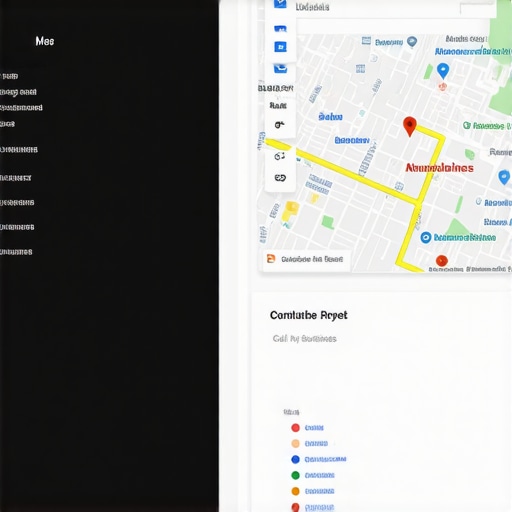 Many local business owners assume that simply claiming their Google My Business (GMB) listing or investing in a Garland SEO agency guarantees immediate results. However, deeper complexities often go unnoticed or misunderstood. Let’s dig deeper into what most people get wrong about GMB in Texas, Texas SEO, Garland SEO, Google Maps Garland, and SEO Garland agencies.
A common myth is that boosting rankings is solely about backlinks or keyword stuffing. In reality, Google prioritizes user experience and relevance, especially in local searches. An advanced mistake is neglecting the significance of Google Maps feature updates and AI-driven ranking factors. According to Moz’s local search ranking study, over 40% of ranking factors now include user engagement signals and AI interpretation — factors many SEO agencies overlook when focusing only on traditional SEO tactics.
Why do so many local businesses still fall for outdated strategies? Because they rely on anecdotal advice or generic SEO frameworks that no longer apply in 2026. This is especially true in Garland, Texas, where AI-driven local search features have evolved rapidly. GMB optimization today requires more than just reviews and keywords; it demands strategic management of Google Map Pins, consistent NAP (Name, Address, Phone) data, and timely engagement with customer inquiries.
What advanced mistake can sabotage your Garland local rankings
Many business owners overlook the importance of mapping AI validation and data consistency. For example, inconsistent address formatting across online directories confuses AI algorithms and AI-based map crawling. This leads to poorer rankings despite a seemingly optimized GMB profile. Recognizing these subtle signals can make or break your local presence, especially when competing against big chains with vast marketing budgets. To learn more about these hidden pitfalls, check out this detailed guide.
Avoiding these advanced mistakes involves a nuanced understanding of Google’s evolving AI landscape. Regularly auditing your local data, managing AI-focused signals, and tailoring your Garland SEO strategy accordingly can prevent costly setbacks. Don’t rely solely on traditional tactics; instead, adapt to the AI era of local search.
Have you ever fallen into this trap? Let me know in the comments. Staying ahead requires recognizing what most overlook in the shifting sands of Garland SEO and Google Maps in 2026.
Keeping Your Garland SEO Campaign Alive: Essential Tools and Methods
Maintaining long-term SEO success in Garland and Texas requires more than just initial setup; it demands consistent monitoring, updating, and adjustments using the right tools and techniques. I personally rely on a combination of advanced software and proven methods to keep my clients’ local rankings steady and improving.
First, Google Search Console is foundational. It provides real-time insights into how Google views your website, highlighting indexing issues, manual penalties, and performance data. I check it weekly to ensure there are no hidden problems degrading my clients’ visibility. Complementing this, Google Analytics helps analyze user behavior and traffic sources, revealing whether your local SEO efforts translate into actual visits and conversions. My practice is to review analytics data bi-weekly to spot trends and opportunities.
For local ranking tracking, I recommend BrightLocal. This tool offers detailed keyword rankings and local citation audits, which are crucial in Garland’s competitive landscape. I personally track rankings for primary keywords daily during campaigns to catch fluctuations early. When rankings slip, I can swiftly adjust local map optimization tactics or review citation consistency.
Regarding citation management, Whitespark‘s Citation Finder and cleanup tools are invaluable. They ensure NAP consistency across directories, an AI ranking factor increasingly crucial in 2026. I routinely audit citations to prevent discrepancies that AI algorithms can interpret as conflicting signals, affecting your local map rankings, as discussed in Moz’s local ranking study.
To streamline review management, I utilize Podium. Collecting and responding to reviews promptly not only boosts trust but also signals engagement to Google’s AI-driven algorithms. I set automated alerts to monitor new reviews and respond within 24 hours, maintaining an active GMB profile—an ongoing necessity for sustained visibility. Stay proactive by linking reviews and profile activity into your ongoing strategic reports.
Looking ahead, a major trend in 2026 is the integration of AI-powered tools that analyze vast amounts of local search data to predict map ranking changes before they happen—think of it as an early warning system for your local presence. As Moz predicts, leveraging AI to anticipate ranking shifts will become essential for staying ahead.
To keep your Garland SEO campaign effective, I recommend implementing a disciplined schedule using these tools: check your GMB insights weekly, audit citations monthly, and track rankings daily. The key is consistency and swift adjustments based on real data—not assumptions or guesses. Try integrating BrightLocal’s ranking tracker or Whitespark citation tools into your routine today and see how proactive maintenance can prevent a drop in local leads.
How do I maintain local visibility over time?
Regular audits, consistent engagement, and staying updated with AI-driven changes are your best bets. Keep your tools sharp, review your data frequently, and always be ready to adapt your strategy. For deeper insights into refining your Garland SEO tactics, visit this guide on effective agency tactics.
What I Wish I Knew When I Started Playing the Local SEO Game
One of the biggest eye-opening moments in my Garland SEO journey was realizing that focusing solely on rankings isn’t enough. I used to chase page one positions, but often overlooked whether those rankings translated into actual business growth. The lightbulb moment came when I observed my competitors with lower rankings yet higher customer engagement. That taught me that real success hinges on understanding metrics that matter, like calls, visits, and customer reviews—things I hadn’t prioritized initially. Recognizing these hidden signals made me rethink my entire strategy, emphasizing data that truly impacts local success.
Why Ignoring Google Maps Can Cost You Big Time
I learned through trial and error that neglecting Google Maps optimization is like leaving money on the table. Initially, I thought ranking on a national level meant I was covered locally. But, when my shop’s pin vanished from the map pack during a crucial campaign, I realized that local visibility needs dedicated attention. Regularly auditing your Google My Business profile, ensuring NAP consistency, and engaging with reviews are critical steps I now swear by. These efforts help your Garland business stay top of mind—and top of the map—in an increasingly AI-driven search landscape.
How Deep Data Dives Uncover Your Weak Spots
One of my most valuable lessons was understanding that comprehensive data analysis can reveal unseen vulnerabilities. Relying solely on surface-level metrics like keyword rankings is a mistake; digging into customer engagement stats, citation health, and profile insights uncovered gaps I barely knew existed. For instance, a sudden dip in profile views wasn’t just a blip—it pointed to inconsistent address info across directories, confusing AI ranking algorithms. By systematically auditing and correcting these issues, I strengthened my local presence and avoided costly surprises down the line. Investing in tools like BrightLocal and Whitespark has become non-negotiable for me now.
Where My Search Strategy Went Wrong—and How You Can Avoid It
Reflecting on mistakes, I see how over-reliance on outdated tactics hampered my progress. In 2026, AI algorithms prioritize user engagement signals and consistent data. I initially ignored the importance of managing AI preferences, like Map Pin placements and review responses. When I finally adapted by updating my citation info and actively engaging with customer reviews, my visibility improved markedly. The lesson? Keep your local data lean, current, and AI-friendly. Regular audits using advanced tools can keep you one step ahead of competitors still clinging to old-school methods.
My Secret Weapon for Long-Term Local Presence
Over time, I discovered that integrating a disciplined routine of monitoring, engaging, and updating is crucial. Using Google Search Console and Analytics helps me stay on top of performance metrics, while tools like Whitespark assist with citation consistency. Engaging with reviews consistently keeps the profile active and signals to Google that your business is vibrant. This ongoing process is my secret weapon—preventing rankings from stagnating and ensuring steady lead flow. Remember, local SEO isn’t a one-time fix; it’s a continuous journey of improvement.
Discover the Tools that Changed My Approach
There are a few trusted tools I can’t live without: Garland SEO strategies guide helped me craft tailored tactics, while map recovery resources saved me from costly visibility issues. For tracking rankings, BrightLocal’s tools provide real-time insights, and Whitespark’s citation management keeps my data clean and AI-optimized. Combining these tools provides a powerful arsenal that ensures my local SEO efforts stay effective and adaptable amidst ongoing algorithm updates.
Your Next Step Toward Local Success
You don’t have to navigate Garland SEO alone—taking proactive steps now can prevent future setbacks. Whether it’s auditing your Google Maps profile or refining your citation strategy, the power lies in consistent, informed actions. Don’t wait for your competitors to pass you by; embrace the insights and tools available today. Your local business deserves to thrive, and with the right knowledge, you’re capable of making that happen. Want to dive deeper? Check out this guide on effective Garland SEO tactics to ensure you’re always ahead of the curve.
Comments are closed.